In the modern gaming landscape of 2026, players have grown accustomed to various monetization strategies, from $20 cosmetic skins to time-sensitive battle passes. Yet, one practice continues to baffle even the most seasoned gamers: the proliferation of digital deluxe editions. These premium packages promise enhanced experiences but often deliver little more than digital clutter at premium prices, creating a frustrating paradox in an industry already saturated with questionable value propositions.

The Emptiness Behind the Premium Price Tag 💸
Let's examine a recent example that perfectly illustrates this phenomenon. The digital deluxe edition for Assassin's Creed Shadows retails for $89.99 – a full $20 above the base game price. What does this premium investment actually secure? Players receive:
-
One legendary gear set for each protagonist
-
A legendary sword for both characters
-
A cosmetic mount
-
A single legendary trinket
-
Four minor base decorations
-
Five starting skill points
At first glance, this might seem substantial. But consider the reality: within hours of gameplay, most of these "legendary" items become obsolete thanks to the game's generous loot system. The base decorations are barely noticeable background elements. The skill points provide minimal advantage in a progression system designed around earning hundreds more. Essentially, players are paying $20 for what amounts to temporary cosmetic variations and negligible gameplay advantages.

This pattern isn't unique to Assassin's Creed Shadows. Across the industry, digital deluxe editions consistently feature:
🎮 Cosmetics that clash with artistic vision
⚡ Temporary power boosts that disrupt game balance
📊 Progression shortcuts that undermine natural gameplay flow
🎨 Visual items that become irrelevant quickly
The Illusion of Additional Content 📦
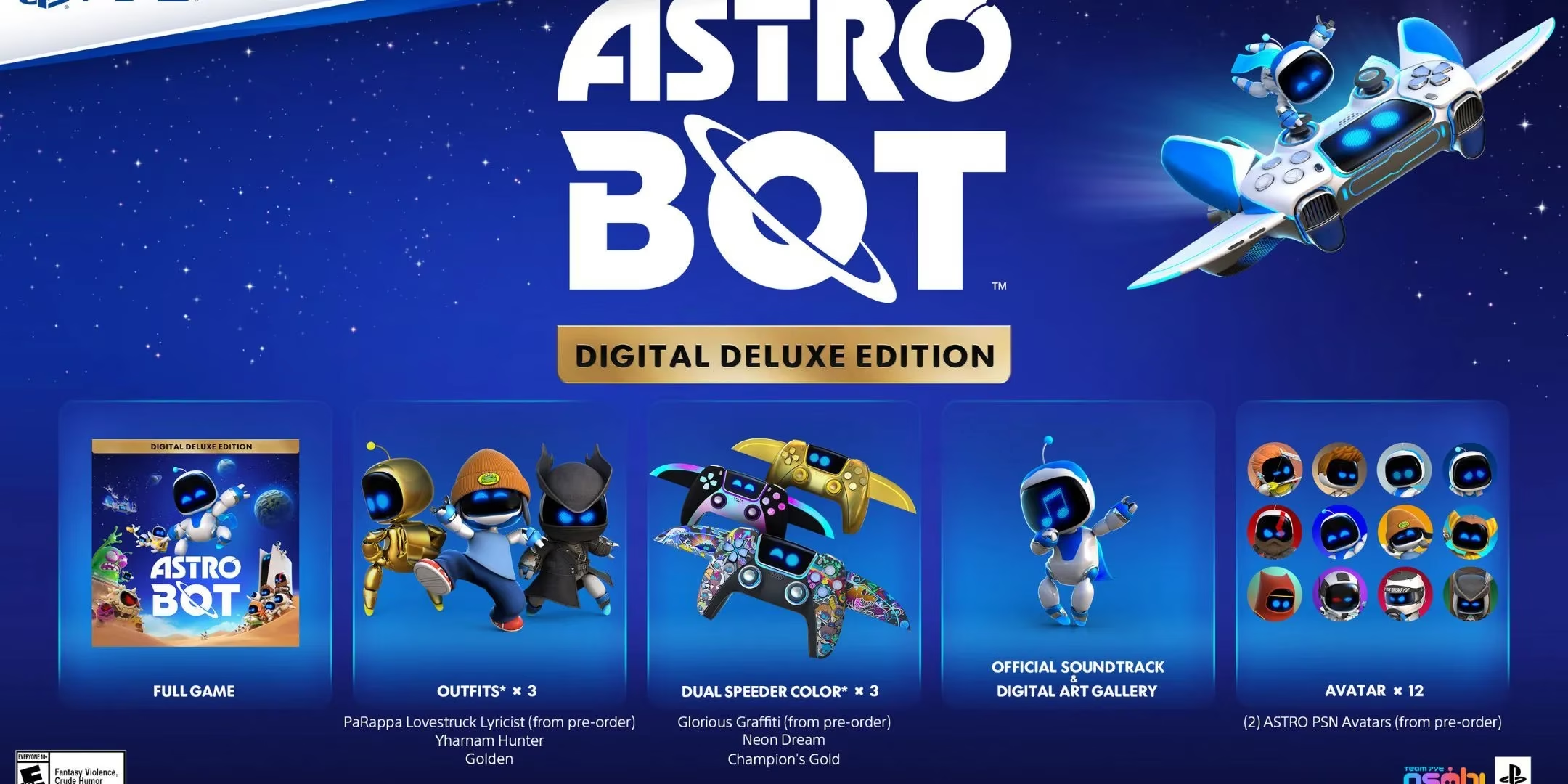
Some publishers attempt to justify premium pricing by including supplementary materials like digital art books and soundtracks. While these might sound appealing in theory, their practical value remains questionable in 2026.
Digital art books present an interesting contradiction. Concept art can be fascinating, but how often do players actually engage with these collections? The experience of paging through digital art fundamentally differs from interacting with a physical art book. There's something lost in translation when beautiful artwork becomes just another file in a digital library rather than a tangible collection to appreciate.
Digital soundtracks face similar challenges. Video game music has evolved into an art form of its own, with composers creating truly remarkable scores. Yet the method of delivery matters. How many players actually use their gaming consoles as dedicated music players? The reality is that streaming platforms and dedicated music services offer far more convenient ways to enjoy these soundtracks without tying up expensive gaming hardware.
The Navigation Nightmare 🗺️
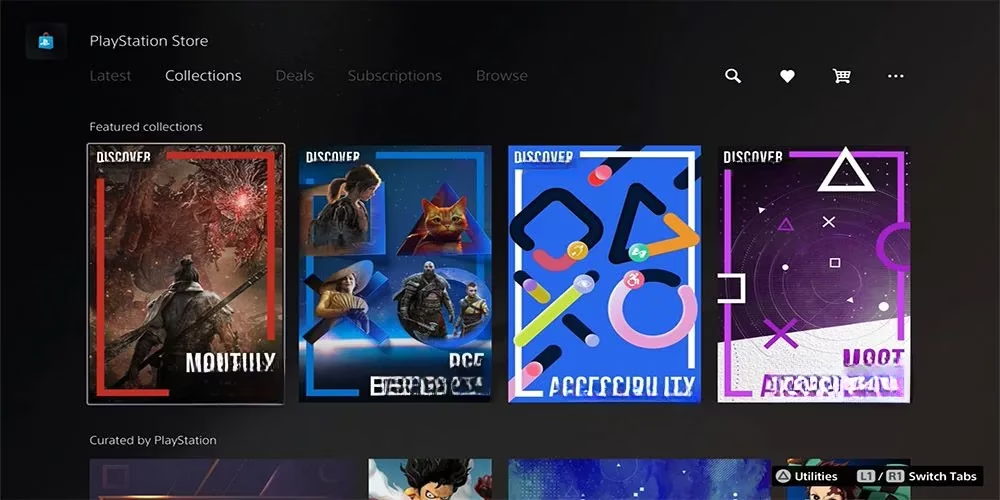
Perhaps the most frustrating aspect of digital deluxe editions isn't what they contain, but how they affect the purchasing experience. Digital storefronts have become increasingly cluttered with multiple editions, making it challenging to find basic versions of games.
Consider this recent experience: when searching for Warhammer 40,000: Space Marine 2 on PlayStation Store, the base game was virtually invisible beneath layers of premium editions. The search results exclusively displayed versions priced over $100, creating the false impression that no standard edition existed. This forced the user to navigate to the PlayStation website to purchase the regular version, adding unnecessary steps to what should be a straightforward transaction.
This deliberate obscuring of basic options creates several problems:
-
Consumer confusion – New players may not realize standard editions exist
-
Decision fatigue – Too many choices can overwhelm potential buyers
-
Accidental overspending – Users might purchase premium editions without understanding alternatives
-
Frustration – The shopping experience becomes unnecessarily complicated
The Value Equation in 2026 🧮
As gaming evolves, the definition of value continues shifting. Digital deluxe editions represent a particular challenge in this evolving landscape. While cosmetic items in games like Fortnite at least provide visible, persistent customization, most deluxe edition contents offer neither lasting satisfaction nor meaningful gameplay enhancement.
Consider the comparison:
| Purchase Type | Tangible Benefit | Lasting Value | Game Impact |
|---|---|---|---|
| $20 Fortnite Skin | Visible customization | Persistent | Cosmetic only |
| $20 Deluxe Upgrade | Temporary items | Fleeting | Minor gameplay advantage |
Digital deluxe editions often feel like the gaming equivalent of packing peanuts – filler material designed to create the illusion of substance without providing actual value. The Assassin's Creed Shadows example perfectly demonstrates this, with two of its "premium" cosmetics being literally just wallpapers.
The Psychological Factor 🧠
Understanding why these editions persist requires examining player psychology. Several factors contribute to their continued existence:
✨ The completionist impulse – Some players feel compelled to own "everything"
🎯 Fear of missing out – Limited-time offers create artificial scarcity
📈 Status signaling – Exclusive items serve as digital status symbols
⏰ Time-saving appeal – Skill points promise faster progression
Yet these psychological triggers don't necessarily translate to enhanced enjoyment. The brief satisfaction of acquiring premium content often gives way to realization that the experience hasn't fundamentally improved.
Looking Forward 🔮
The persistence of underwhelming digital deluxe editions raises important questions about gaming's future direction. As technology advances and player expectations evolve, publishers might reconsider what constitutes genuine value. Potential alternatives could include:
-
Meaningful expansions – Substantial story content or gameplay modes
-
Creative tools – Level editors or customization systems
-
Community features – Enhanced social or cooperative elements
-
Physical collectibles – Tangible items with actual presence
Until such shifts occur, digital deluxe editions will likely continue as a contentious aspect of modern gaming. Their existence reflects broader industry trends toward fragmentation and monetization of what were once standard features. As players become more discerning and vocal about value propositions, the pressure for meaningful premium content will only increase.
Ultimately, the digital deluxe dilemma represents more than just questionable pricing – it reflects ongoing tensions between commercial interests and player satisfaction in an industry constantly redefining its relationship with its audience. The conversation about what constitutes fair value continues evolving, with digital deluxe editions serving as a focal point for debates about gaming's commercial future.