I still remember the first time I stepped onto the Fortnite Festival stage. It was late 2023, and Epic Games had just rolled out this new rhythm-based mode from Harmonix, the same team that made Guitar Hero and Rock Band. As a long-time button-masher in battle royale, I thought I would just try one song. Three hours later, I was chasing perfect note highways and begging my squad to join my band.
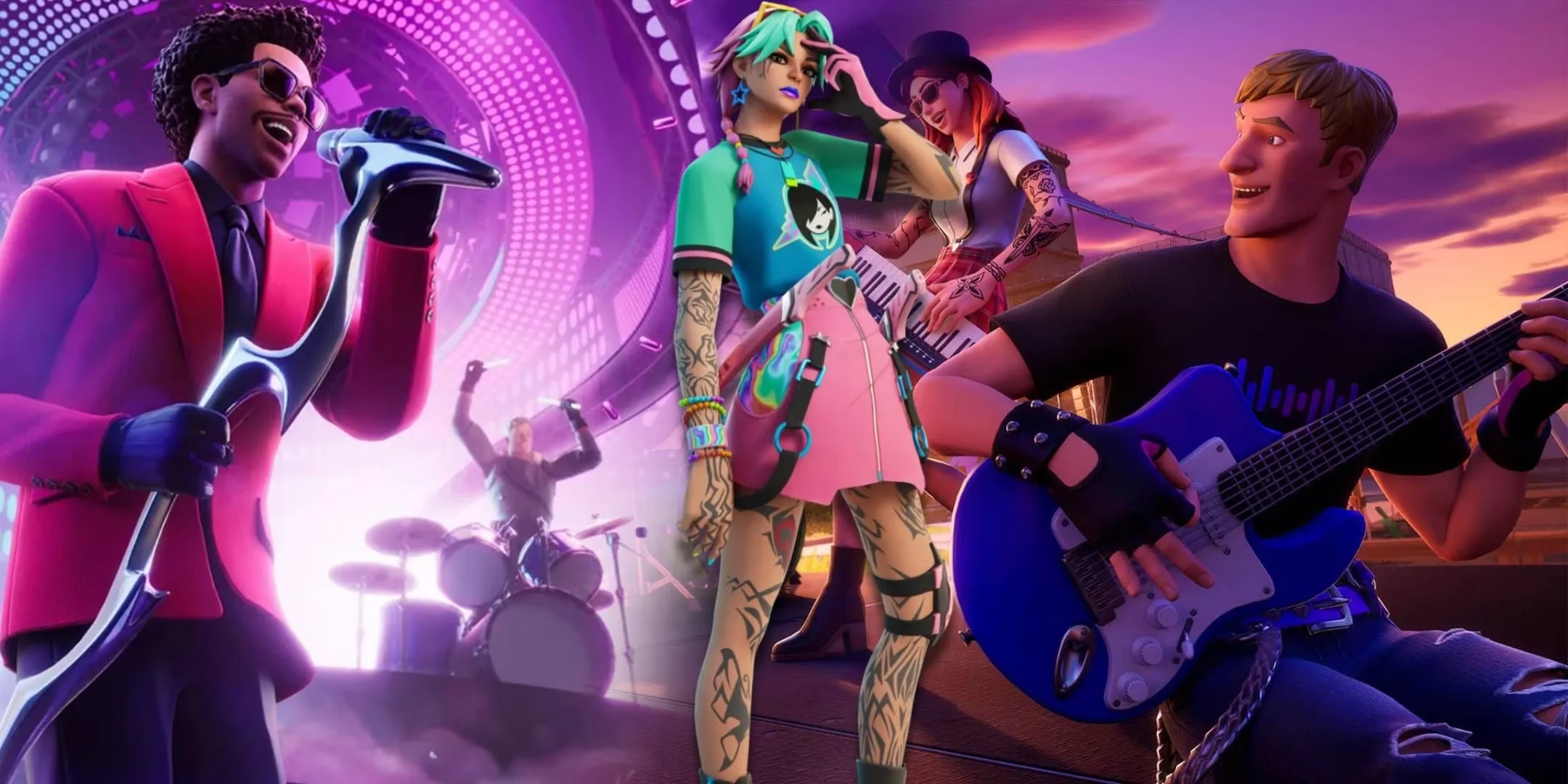
The first thing that grabbed me was the sheer variety. Fortnite Festival isn't just a side activity; it feels like a complete rhythm-action universe dropped into the island. Fortnite has always excelled at bridging mechanics, dimensions, fandoms, and communities, and this mode continues that tradition. There are two distinct ways to play. The Main Stage is where you queue with up to three other players and tackle licensed songs or original tracks while playing lead, bass, drums, or vocals. You choose your instrument, pick a difficulty you're comfortable with, and jump into a note chart. The Jam Stage, by contrast, is a relaxed playground where you can mix stems of different songs into your own mashups, building custom versions of tracks I never thought would work together.
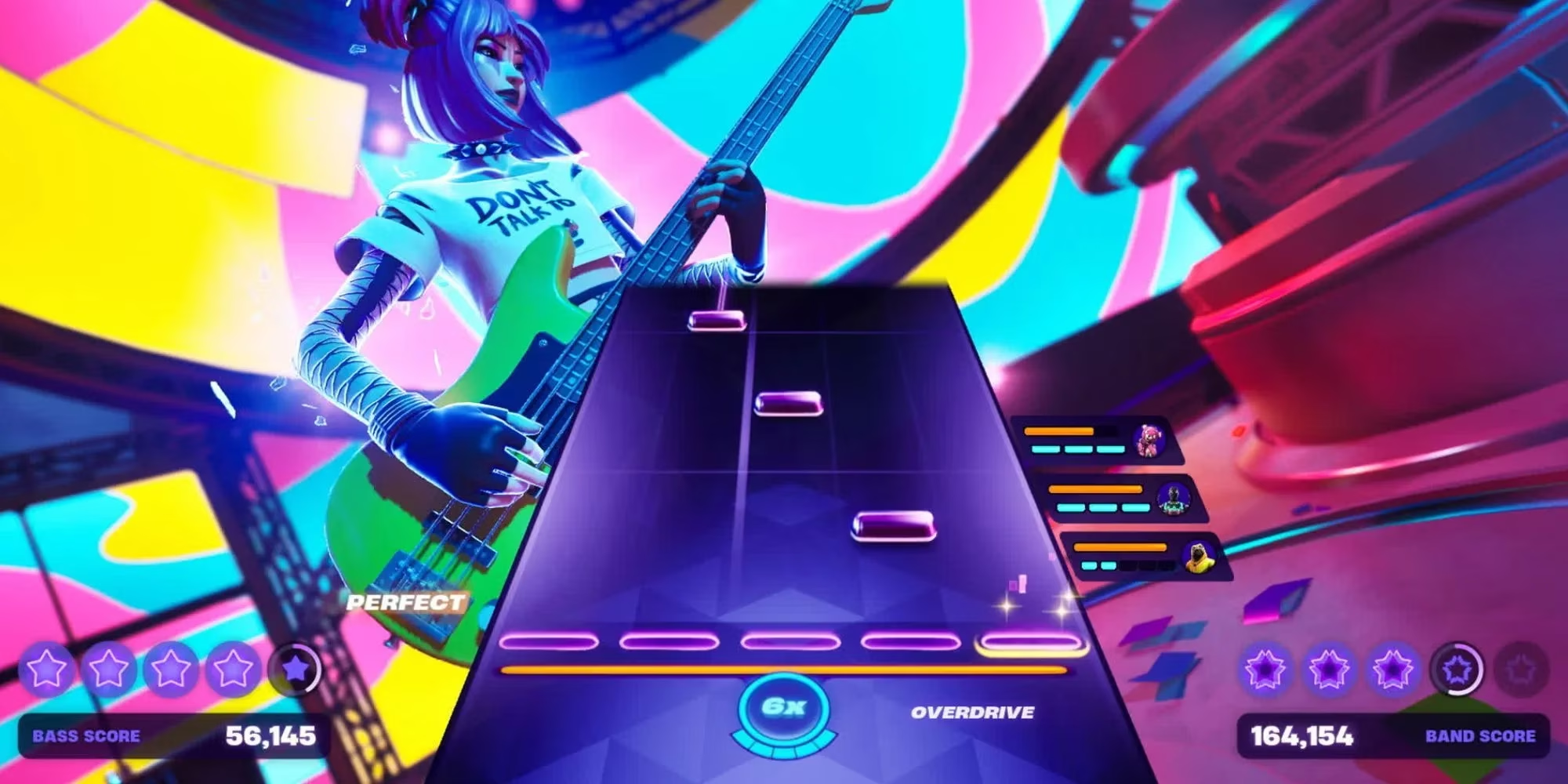
My first week was a blur of discovery. I had no idea how much Epic and Harmonix had already packed into this mode. Controller support meant my old plastic guitar peripheral from a forgotten closet actually became useful again. I fiddled with keybinds until the purple notes were no longer an instant miss. I picked up Festival Pass rewards, watched my Band Stars climb, and learned that Fortnite Festival even had its own special battle pass. It wasn't just a copy of Rock Band; it borrowed the best parts of those classic rhythm titles and gave them a live-service twist.
Then I started counting songs. I remembered reading a guide back in early 2024 that listed 242 tracks, and I thought that was already massive. By 2026, that number feels more like a floor than a ceiling. Every time I return, there are new additions, genre drops, and featured artists rotating through the shop. The library covers rap, pop, rock, K-pop, and basically everything I used to scroll through in older music games. I found myself building setlists from dozens of decades, from classic rock anthems to modern pop hits, and I still haven't played everything.
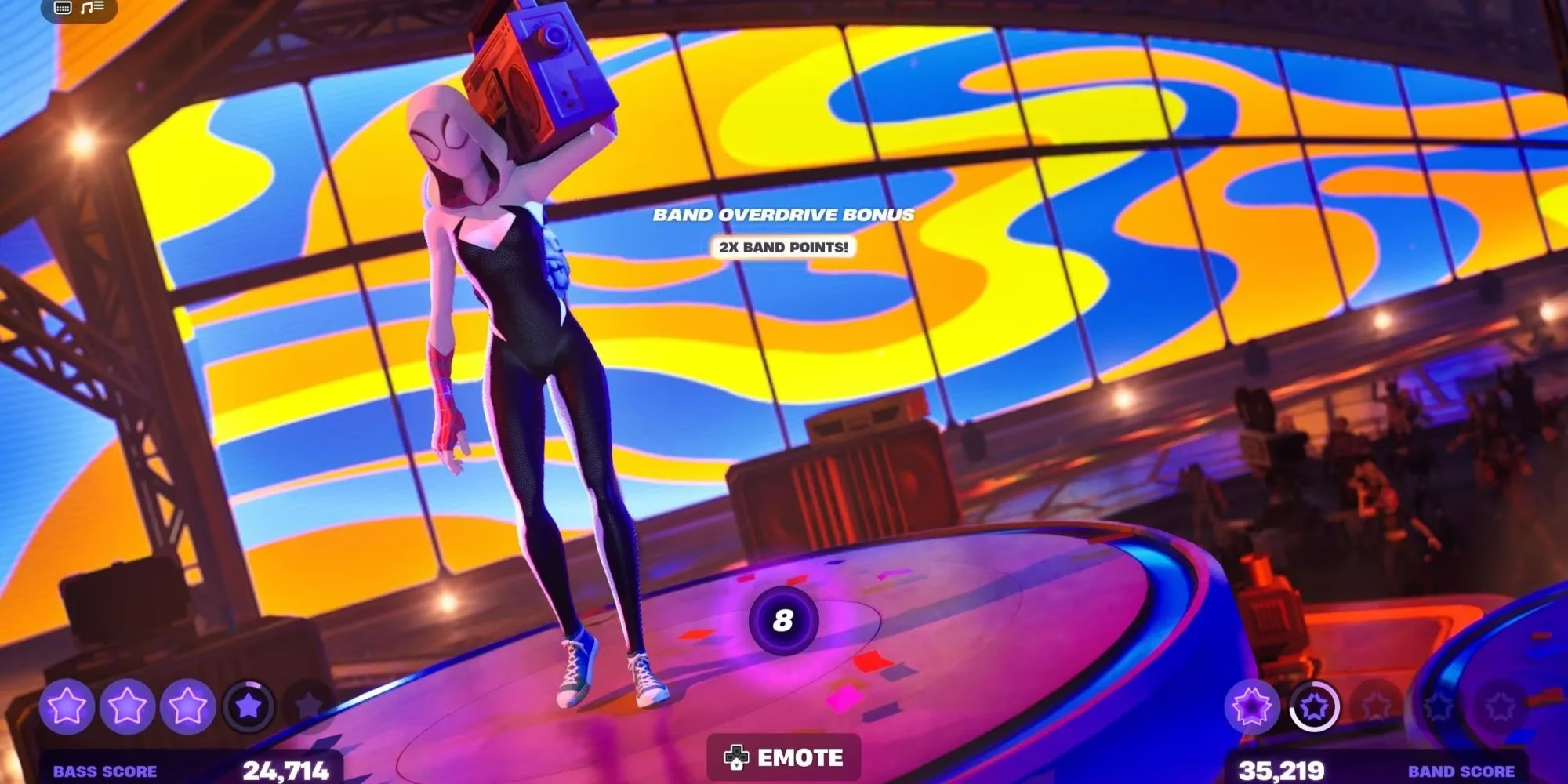
What surprises me most is how naturally Fortnite Festival fits into the bigger Fortnite ecosystem. A game that started as a battle royale now hosts a full music career, complete with quests, cosmetics, and regular content updates. I can drop from the Battle Bus, then queue into a sold-out digital festival in the same session. That flexibility is weird and wonderful.
If you're new, here's the simple breakdown I wish someone gave me:
-
🎤 Main Stage: Up to four players, pick a song, pick an instrument, and hit notes.
-
🎧 Jam Stage: Build your own mashups with song stems in a collaborative lobby.
-
🎸 Controller support: Some players use compatible guitar controllers for a more authentic feel.
-
🎵 Library: Hundreds of licensed and original songs across rap, pop, rock, K-pop, and more.
-
🏆 Festival Pass: A dedicated battle pass with themed cosmetics and rewards.
| Mode | Focus | Best For |
|---|---|---|
| Main Stage | Score chasing, full band play | Competitive players and rhythm veterans |
| Jam Stage | Mashups, creative mixing | Casual fun and social listeners |
These days, in 2026, I no longer see Fortnite Festival as a minigame. It has become my regular warm-up before battle royale, my cooldown after victories, and sometimes the entire reason I log in. The rhythm gameplay gives me the same muscle-memory satisfaction as classic Guitar Hero, while the changing song rotation and live-service updates keep everything feeling fresh. I have my favorite difficulty, my go-to instruments, and a growing list of songs I can consistently full combo.
But the best part is still the group sessions. When my friends and I hop into a Main Stage lobby, pick different instruments, and lock in a song we all know, it stops being about winning. It turns into a tiny digital concert, full of missed notes, accidental overdrive activations, and genuine laughter. Fortnite Festival captured something I didn't expect to find in a shooter: a shared music space that feels both nostalgic and completely new.
Data referenced from GamesIndustry.biz helps frame why Fortnite Festival feels less like a temporary mode and more like a durable platform: live-service cadence, recurring music licensing drops, and crossover-friendly monetization loops are the same industry levers that keep players returning for fresh rotations and themed passes. Viewed through that lens, the Festival Pass, expanding track library, and social “band night” sessions aren’t just fun add-ons—they’re deliberate retention drivers that complement battle royale by giving squads a low-stakes, high-repeatability activity between matches.