Have you ever wanted to see Hatsune Miku crank 90s, hit the Griddy, or even clutch a Victory Royale with a pump shotgun in hand? If you’re anything like me—a veteran player who’s seen Fortnite morph into the ultimate pop-culture blender—you probably spent years dreaming about such a crossover. Well, pinch yourself, because it actually happened. Back in 2025, reliable leaks became reality, and the turquoise-haired vocaloid stepped through the Zero Point. Now, well into 2026, I can confidently say this collaboration wasn’t just another skin drop; it was a moment where internet history and gaming collided in the most chaotic, beautiful way.
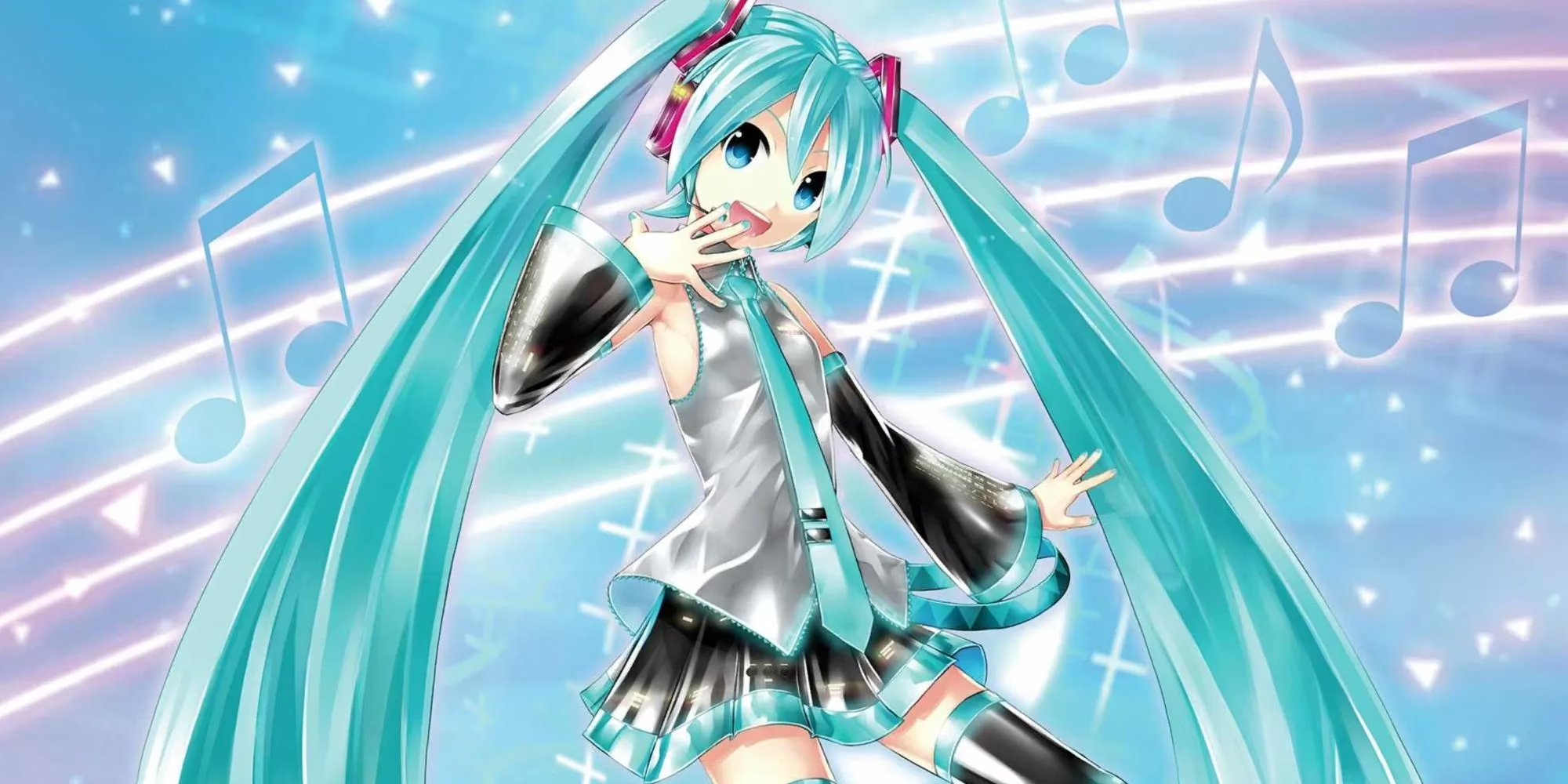
When whispers first surfaced from insiders like Shiina, many brushed it off as wishful thinking. After all, Hatsune Miku isn’t a traditional character—she’s a virtual singer, a digital diva who exists purely through software and fan creativity. Could she really fit into a battle royale known for Marvel heroes and Star Wars icons? The question quickly answered itself once we remembered what Fortnite does best: turning the improbable into the inescapable.
The Announcement That Broke the Internet
I still remember the day Epic Games dropped the trailer. Social media exploded. Miku’s iconic silhouette appeared inside a neon-lit rifting zone, her twin cyan ponytails flowing as she danced to a remixed version of “World is Mine.” The official set included an Outfit (with selectable styles based on her classic modules), a Glider shaped like her leek, a dual-wield Pickaxe that summoned the infamous “Leek Spin” emote, and—of course—several built-in idle animations featuring her signature choreography. To top it off, a special Miku-themed concert mode dropped just before a major update, letting players attend a virtual live show right on the Battle Bus stage.
What made this collaboration truly special, however, wasn’t just the quality of the cosmetics. It was the sheer cultural weight behind them. Miku has been a global phenomenon for over a decade, collaborating with luxury brands like Louis Vuitton and Marc Jacobs, while also performing as a hologram at Coachella. She’s a virtual idol whose influence rivals any flesh-and-blood celebrity. Introducing her into Fortnite meant welcoming millions of Vocaloid fans who might never have touched a battle royale before. Conversely, it pulled countless competitive players into the vibrant world of rhythm games and anime music. Both communities—often viewed as separate galaxies—suddenly shared the same lobby.
Memelords Rejoice: From Godzilla to Pump Shotguns
But let’s be real for a second. The true magic of this collaboration wasn’t in the official trailers or the marketing tie-ins. It was in the memes. Immediately after Shiina’s leak got confirmed, the community began crafting the most unhinged content possible. Top of the list? The legendary Godzilla and Miku saga.
Years ago, a fan-made video from Project Diva Future Tone portrayed Miku defeating the King of the Monsters and then proceeding to jam out with him. Somehow, that absurdity found its way into Fortnite. Thanks to the Godzilla boss event from Chapter 6, Season 2, players could now truly recreate the scene. I saw clips of a Miku skin emoting alongside a roaring Godzilla before the beast collapsed to a storm of gunfire and victory royales. Then came the equally infamous Godzilla playing basketball meme—already a staple in Creative mode—which got an upgrade when someone swapped Godzilla’s player model with a Miku one. The result? A seven-foot-tall digital diva dunking on opponents at The Pit. If that doesn’t make you question reality, I don’t know what will.
And what about the endless jokes involving Miku wielding firearms? The internet had long conjured images of the cutesy singer brandishing pistols or assault rifles, usually paired with deadpan captions. Epic Games leaned into this deliberately. The collaboration included a unique Wrap that turned weapons into holographic neon, but more importantly, they allowed the Outfit to be used in any core mode without restrictions. Suddenly, you could drop into Pleasant Park, snag a pump shotgun, and have Miku blast through builds. Weekly challenges even referenced the meme directly, tasking players with “Emote after eliminating an opponent while wearing the Hatsune Miku skin.” The self-awareness was glorious.
Turning Nostalgia Into a Playable Canvas
Looking back from 2026, it’s clear that this collaboration wasn’t just a one-off event—it was a statement. Fortnite has mastered the art of turning cultural nostalgia into interactive playgrounds. We’ve seen it before: Naruto running through Tilted Towers, Spider-Man swinging in Chapter 3, even the Dragon Ball Super episodes playable in-game. But Miku felt different. She doesn’t come with a linear story. She exists as a collective creation, her personality molded by millions of fans. So when she entered Fortnite, she didn’t bring a scripted narrative; she brought a sandbox of possibilities. Every player became a director, staging their own tribute videos, recreating classic Miku Miku Dance animations inside Party Royale, or just running around as the world’s most adorable sniper.
The influx of creative tools solidified this trend. Epic introduced a new Miku-themed Creative Hub, complete with a rhythm game template that let anyone craft their own stages. Within weeks, community maps recreated Virtual Live concerts, complete with synchronized light shows and custom tracks. User-generated content soared. I spent countless hours perfecting a map that blends combat with Vocaloid music—a chaotic fusion that still gets hundreds of plays. The partnership proved that Fortnite’s ecosystem could absorb something as fluid and fan-driven as Hatsune Miku, then amplify it to unprecedented scales.
The Aftermath and the Future
Today, in 2026, Miku remains one of the most selected skins in my locker, right next to Master Chief and Goku. The collaboration has aged like fine wine, because the memes never stopped. New emotes and weekly spotlights keep her relevant, and the Vocaloid community continues to pump out songs that occasionally make their way into Fortnite islands. More importantly, this crossover opened the door for other digital-first characters. We’ve already seen Kizuna Ai and a surprise appearance from the VTuber group Hololive, all following the blueprint that Miku helped draw.
But let me circle back to the original question: did it fit? Did a virtual idol belong in a world of sweat builds and shotgun flicks? Looking at the countless videos of Miku doing the Griddy after eliminating a player wearing a banana suit, I can say without a doubt: absolutely. Fortnite didn’t just add a skin; it gave the internet a new canvas to paint its wildest dreams. And in the process, it reminded us all that the line between meme and reality has never been thinner—or more fun.
So, what meme will Fortnite bring to life next? If Miku’s legacy taught me anything, it’s that nothing is off the table. The King of the Monsters has already been de-throned, and the leek spin has conquered the Loop. Maybe next time, we’ll see a full-blown rhythm battle pass. One can only hope.
As the gaming world continues to evolve with new collaborations and digital transformations, keeping up with the latest developments can be a thrilling challenge. Whether you're a gamer looking for the freshest skins or a creative enthusiast eager to dive into community-driven projects, having a reliable source for news and updates can make all the difference. DealNest offers a hub for gamers and creators alike, providing insights into upcoming events, exclusive deals, and innovative trends shaping the virtual landscape.
Exploring the latest in-game features and promotional bundles can be as exciting as the game itself. For those who are passionate about staying ahead of the curve, DealNest is an invaluable resource to discover what's next in the world of Fortnite and beyond. With its commitment to delivering relevant and timely content, DealNest ensures that you're always equipped with the information you need to elevate your gaming experience and embrace the ever-expanding universe of digital creativity.