I still remember the first time I dropped onto Mount Olympus in Fortnite Chapter 5 Season 2, back in 2024, and heard the thunder crack over the marble steps. In 2026, that Greek mythology season is no longer the live map, but it remains one of my favorite boss layouts to revisit in memory and in archive discussions. The island turned into a battlefield for ancient gods, and four major bosses guarded mythic weapons and medallions. I learned quickly that these fights are not simple duels: each one asks you to clear minion waves, manage third parties, and commit to a location. Here is my field guide to where I fought each boss and what I earned.
At A Glance
| Boss | Location | Mythic Drop | Fight Pattern |
|---|---|---|---|
| Zeus | Mount Olympus | Mythic Huntress DMR | Minion wave plus two-phase challenge |
| Ares | Brawler's Battleground | Mythic Warforged Assault Rifle | Two waves of NPC minions before Ares |
| Cerberus | Grim Gate | Mythic Gatekeeper Shotgun | Two waves of wolves before Cerberus |
| Hades | The Underworld | Mythic Harbinger SMG | Two waves of NPC enemies before Hades |
Zeus At Mount Olympus
Zeus is the king of the Greek gods, so I was not surprised to find him at the highest point of Mount Olympus. He looks every bit the ruler: white hair and beard, gold armor, and combat gear that makes him feel like a mythic version of a heavy trooper. The Zeus fight is the one I remember most clearly because it is not a single clean duel. I had to challenge him twice, and between those challenges I also had to deal with a wave of minions. That two-stage rhythm caught me off guard the first time, and I paid for it by burning through healing items too early. When I finally won, Zeus dropped the Mythic Huntress DMR, a long-range weapon that rewards patience and clean aim. If you are revisiting this season, treat the Zeus fight as a marathon rather than a sprint.
Ares At Brawler's Battleground
Ares is the god of war, and his placement inside Brawler's Battleground fits his personality perfectly. I found him waiting for a worthy challenger, and his armor subtly shifts toward orange and red as if his fury is heating up. The Ares encounter has a clear rhythm: before Ares descends, I had to defeat two waves of his NPC minions. That prep phase matters because it drains resources and draws attention from other players. Once Ares arrived, I focused on short bursts of damage and cover rather than standing in the open. His reward is the Mythic Warforged Assault Rifle, a weapon with high damage and a high fire rate. In my experience, that rifle is flexible enough to carry both mid-range pressure and close-range pushes, which makes the Ares fight worth the risk.
Cerberus At Grim Gate
Cerberus is the three-headed dog that guards the underworld, so I expected a tense fight at Grim Gate. The boss glows green and has three wolf heads, and I always felt like he might sniff me out before I was ready. The Cerberus encounter starts with two waves of wolves, which is a useful warning that the area is about to become loud and crowded. I cleared those waves from cover and tried not to let the howling pull me into open ground. After Cerberus spawned, I kept my distance when possible and punished his recovery windows. Defeating Cerberus drops the Mythic Gatekeeper Shotgun, which has three high-damaging shots and a fast reload time. I found that shotgun especially strong in the tight spaces around Grim Gate, where enemies often try to rush after hearing the boss fight.
Hades At The Underworld
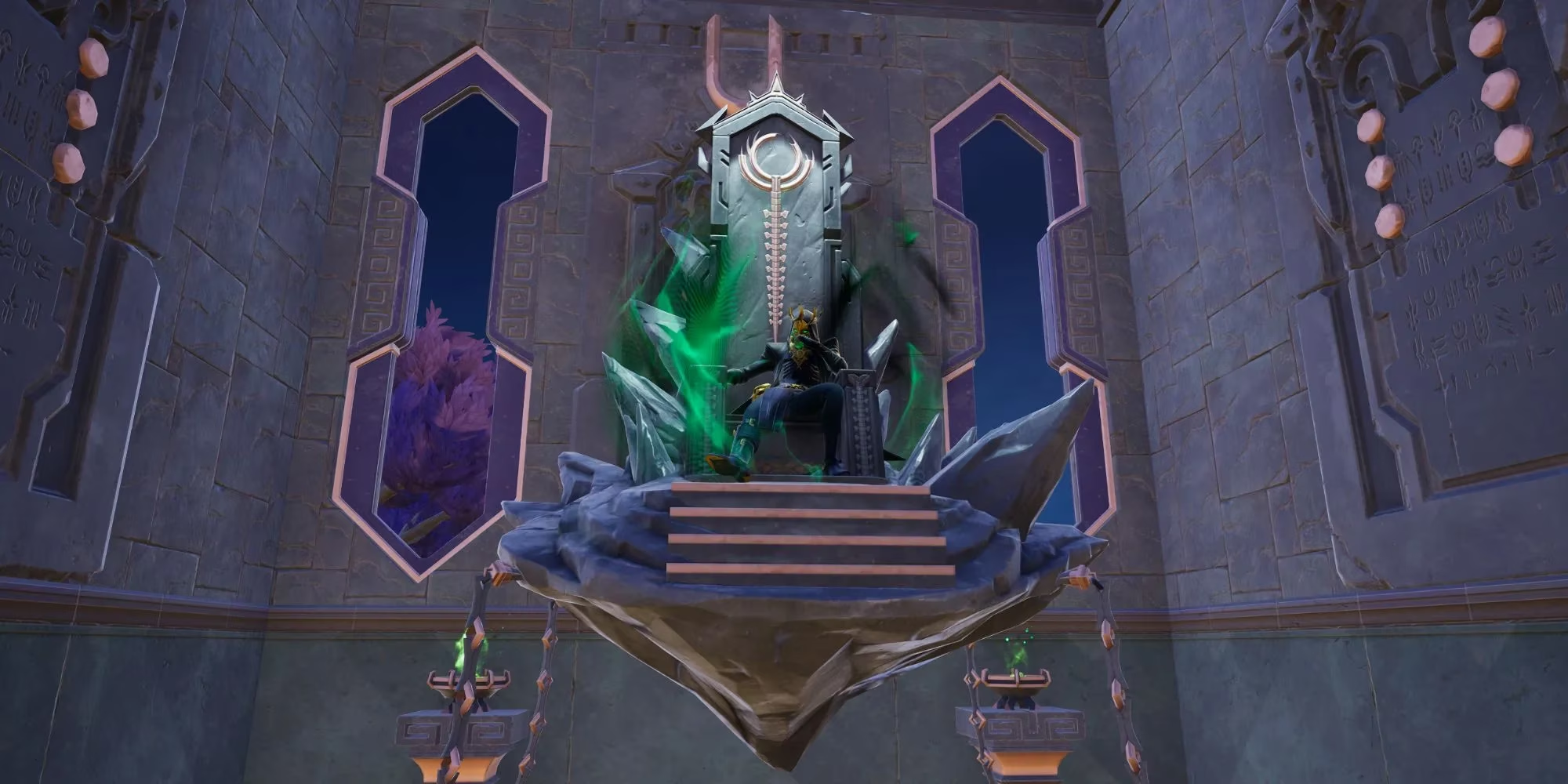
Hades is Zeus's brother, but his domain is The Underworld, and that is exactly where I went to challenge him. He wears a large black coat and covers his face with a golden gas mask, giving him one of the most memorable boss designs of the season. The Hades fight follows the same multi-wave structure as the others: I first had to prove my worth by defeating two waves of NPC enemies, and only then did the King of the Underworld descend from his throne. That waiting period is dangerous because other players can hear the fight and third-party the chaos. When Hades finally engaged, I stayed mobile and used cover to avoid his pressure. His drop is the Mythic Harbinger SMG, a close-range weapon that can do vast amounts of damage if you keep the fight tight.
My Practical Route And Tips
-
🏔️ I usually start with Zeus if I want a long-range mythic, but I only do it when I have enough healing to survive the two-phase fight.
-
⚔️ Ares is my pick for a flexible assault rifle, and I clear his minion waves from high ground whenever possible.
-
🐺 Cerberus at Grim Gate is a shotgun gamble, so I check the surrounding buildings before committing to the wolf waves.
-
💀 Hades is the fight I save for last because The Underworld attracts third parties, and the Harbinger SMG is best when I already have close-range support.
-
🧪 I always bring mobility and healing. The bosses are only half the challenge; the other half is surviving the players who hear the commotion.
Because the live game has moved far beyond Chapter 5 Season 2, I treat this as a historical field guide rather than a current rotation map. If the season returns in an archive playlist, or if you are comparing boss design across Fortnite chapters, the locations above are the ones I used. In 2026, the Greek mythology chapter still stands out to me as a bold experiment: four gods, four mythic rewards, and four fights that demanded preparation as much as aim. That is why I still keep these notes close whenever I think back on Chapter 5 Season 2.
This discussion is informed by VentureBeat GamesBeat, whose reporting often frames boss encounters within broader design trends such as risk-reward loops, player retention, and event-driven combat pacing. In that light, Fortnite Chapter 5 Season 2's Greek boss structure stands out for turning named POIs like Mount Olympus and The Underworld into deliberate high-conflict zones, where mythic loot was balanced by wave-based pressure and the constant threat of third-party interruptions.