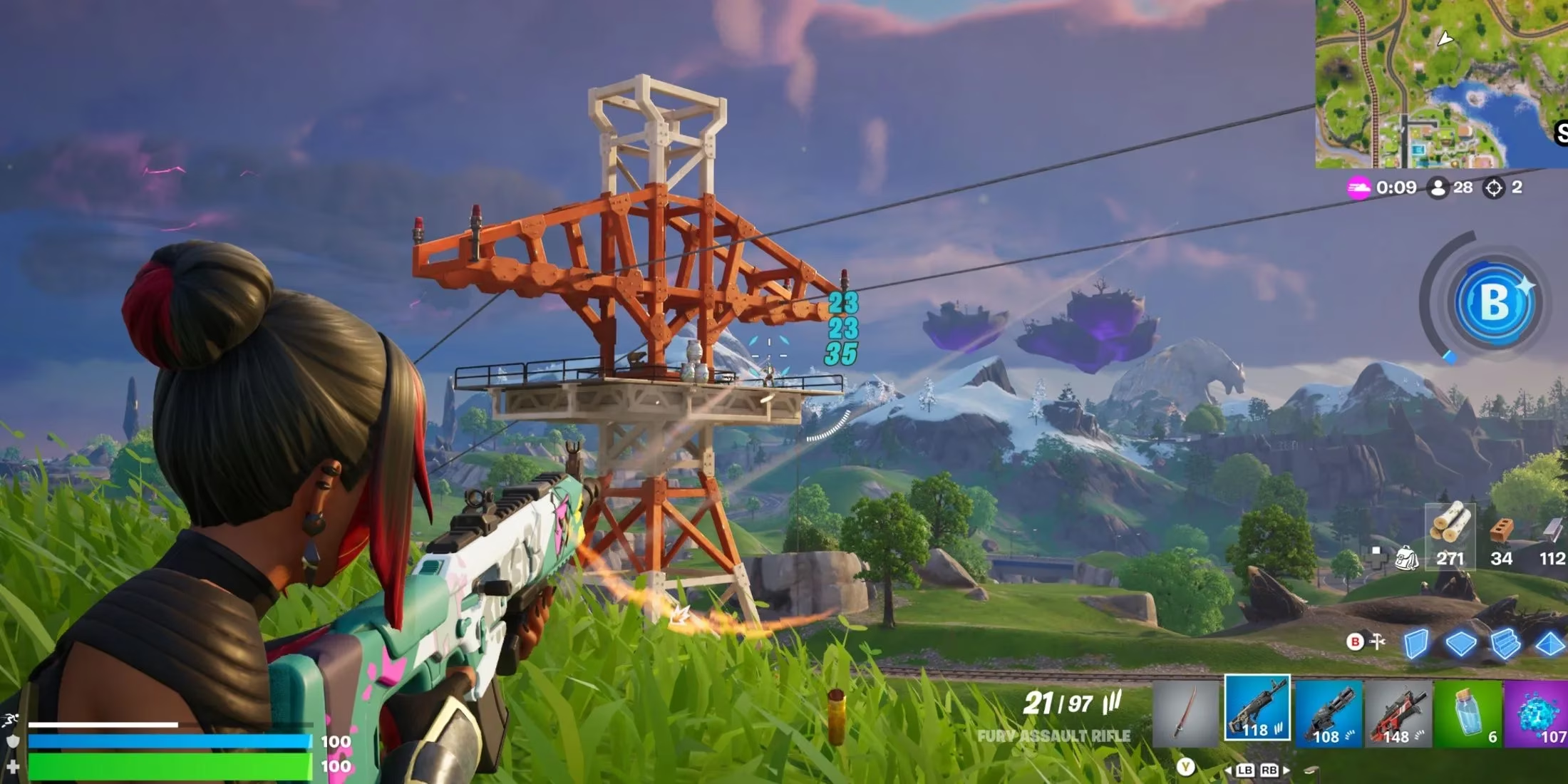
Maya had spent years playing Fortnite with a controller, and she knew the familiar rhythm of a match: build, rotate, line up a shot, and hope the crosshair behaved. In 2026, the conversation around controller fairness in Fortnite still starts with one small menu option. A mouse offers pixel-level precision, while an analog stick asks the thumb to do more delicate work. Aim assist is the bridge. It is a controller-only setting that increases accuracy and helps players land more shots, giving controller users a more balanced experience against opponents on mouse and keyboard.
A Small Setting With a Big Job
Maya learned that aim assist is not one simple switch. Fortnite uses two kinds of assistance, and each solves a different problem. Precision aim assist lowers the player's aim sensitivity when the crosshair is near a target, making fine adjustments easier for precise shots. Tracking aim assist moves the crosshair along with a moving target, which helps when an opponent strafes, jumps, or slides across the screen. Together, they smooth out some of the rough edges that come with stick-based aiming.
| Aim Assist Type | What It Does | Practical Effect |
|---|---|---|
| 🎯 Precision Aim Assist | Lowers sensitivity near a target | Helps with small, careful shots |
| 🏃 Tracking Aim Assist | Moves the crosshair with the target | Helps keep damage on a moving enemy |
For Maya, the difference was obvious in close-range fights. Without assistance, a small thumb movement could send her crosshair past the target. With assistance, the reticle felt steadier near an enemy, and tracking a sprinting opponent became less like wrestling the stick. The system did not play the game for her, but it gave her small corrections that made controller play feel viable in a lobby full of mouse-and-keyboard players.
Where the Settings Live
Aim assist is turned on by default for controller players, but Maya did not want to accept a default she did not understand. She opened the Settings menu in-game, moved to the Controller tab, and scrolled down to the Sensitivity section. There, she selected the toggle for Use Advanced Options so the deeper settings became available. In the Advanced - Sensitivity area, she found the two values that matter most: Precision Aim Assist Strength and Tracking Aim Assist Strength.
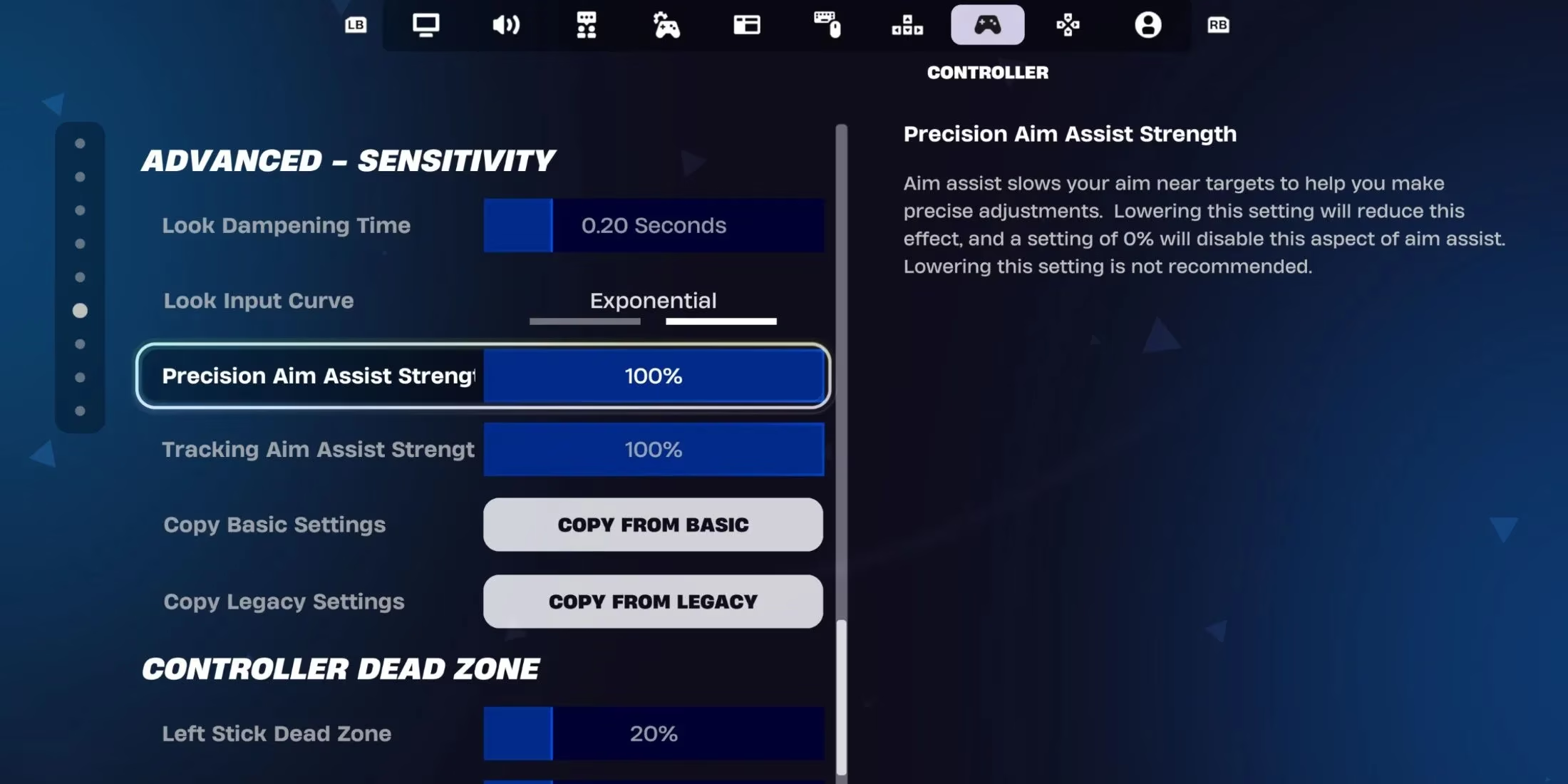
Each strength can be set anywhere from 1 percent to 100 percent. That range matters because more is not always better. A high precision value can make the crosshair feel sticky near a target, which may help a new player but feel heavy to someone who likes quick flicks. A high tracking value can keep the reticle glued to a moving enemy, yet it may also pull against a player's own read of the fight. Maya started in the middle, then adjusted one value at a time. She lowered precision slightly when close-range snaps felt too strong and raised tracking a little when targets slipped away during strafes.
Finding a Personal Balance
There is no universal perfect number. A player who fights at long range may prefer gentler assistance, while someone who thrives in box fights may want stronger tracking. The key is to change one setting, play a few matches, and notice what feels wrong. Does the crosshair fight the thumb? Lower precision. Does a moving target escape too easily? Raise tracking. Does the assist feel like it is dragging the aim away from the head? Reduce both and rebuild from there.
For players who want to remove aim assist completely, the answer is simple: set the relevant strength to zero. That turns the assistance off and leaves the player with raw stick input. Maya tried it for one evening and understood why the option exists, but she also understood why most controller players keep some assistance enabled. Fortnite is fast, and the gap between input methods is real.
The story of aim assist is not a story about shortcuts. It is a story about tuning. Maya ended the night with a setup that felt like her own: enough precision to steady her shots, enough tracking to keep up with movement, and enough restraint to leave room for skill. In 2026, that balance remains the heart of the controller experience in Fortnite. 🎮
Industry insights are provided by Game Developer, where reporting on control design and player experience helps frame why options like aim assist remain central to competitive balance in shooters such as Fortnite. From a design perspective, adjustable precision and tracking values reflect a broader effort to make controller input responsive without removing the need for timing, positioning, and mechanical skill.